
E-mail: [email protected]
Instagram e Linkedin: casafigueira_campinas
Learn more
be part of the community
casa figueira.


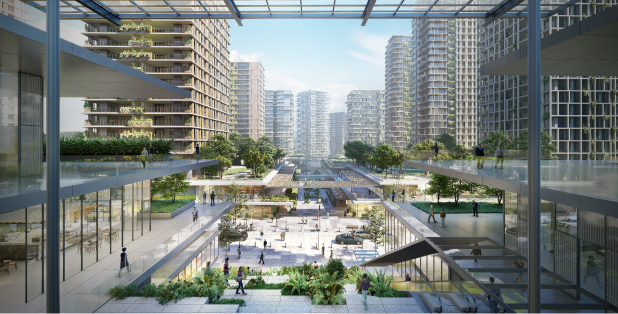
A neighborhood designed for people. Alive, safe, healthy and sustainable.
Walkable distances.
In one place, choose the way
you want to reside, work,
live and socialize.
An international trend
already implemented in cities
like Barcelona, London
and Hamburg.
Study, exercise
and have fun. All in one
place with diverse
and synergetic uses.
Home - Casa Figueira Journeys
A neighborhood designed for people. Alive, safe, healthy and sustainable.
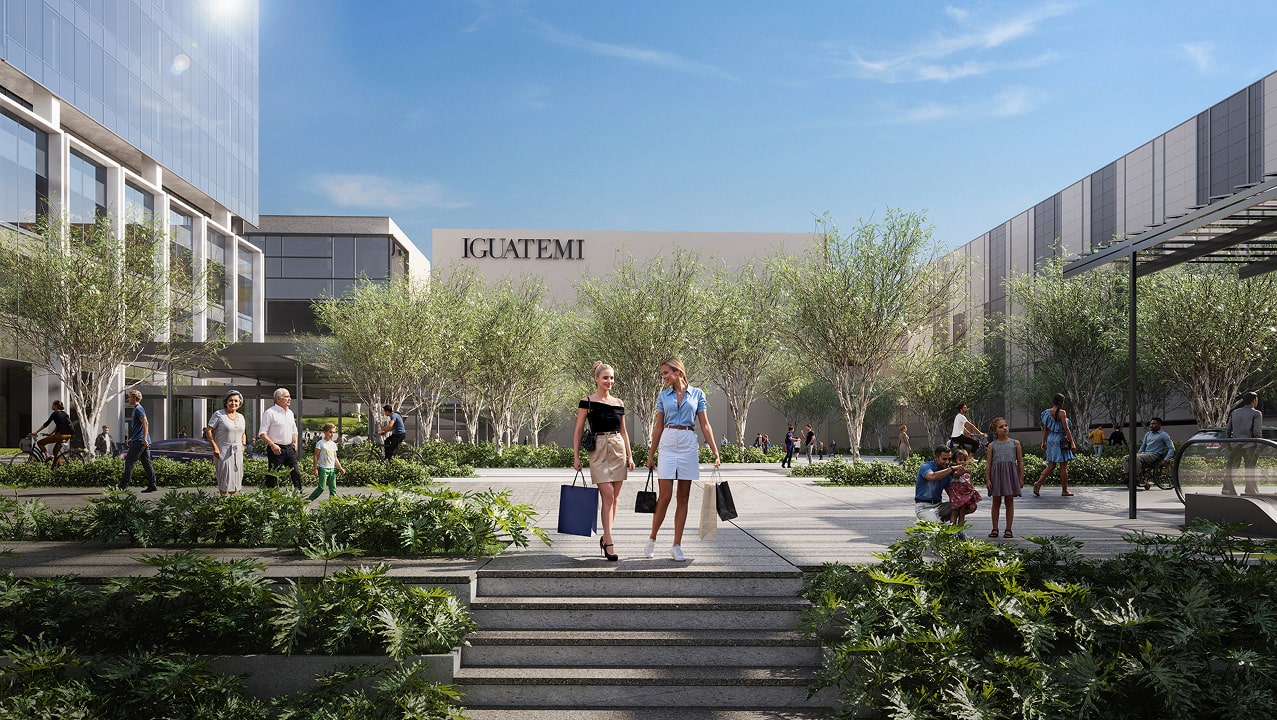
FROM MORNING TILL NIGHT
LIFE HAPPENS
AT CASA FIGUEIRA.
FROM MORNING TILL NIGHT
LIFE HAPPENS
AT CASA FIGUEIRA.
An immersive experience encompassing all aspects of the neighborhood. A meeting place created so that people can visit and learn about the project. Event space for developers, neighborhood association, and environmental education.
The first corporate tower at Casa Figueira is now under construction.
Iguatemi Tower is an essential part of the new connection between Casa Figueira and Iguatemi Campinas, bringing together work, services, retail, and quality of life in a single destination. The project has recently been featured in Exame, in an article highlighting the strategy behind this new development.
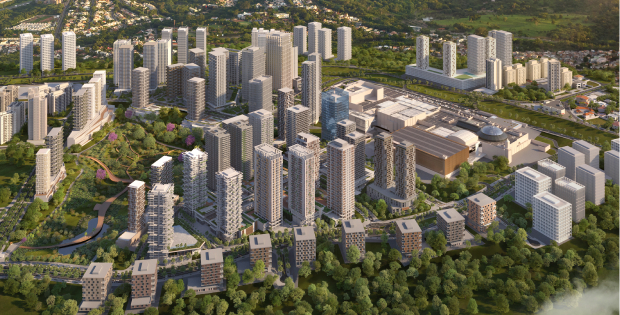
Iguatemi highlights Casa Figueira as one of its most important long-term projects. With 1 million square meters and the potential to welcome approximately 50,000 new residents, the master-planned neighborhood will bring together residential and commercial developments, green spaces, and integrated mobility.
Developed around Iguatemi Campinas Shopping Center, the project creates a new urban hub, connecting living, working, leisure, and services within a thoughtfully planned environment.
Discover the Wallpaper feature, published by one of the world’s most influential architecture and design magazines, highlighting Casa Figueira, the first completed building in the neighborhood.
Read the article on the website.
As a member of Iguatemi’s Board of Directors, Carlos Jereissati shares the vision behind Casa Figueira in Campinas.
He advocates for an integrated urban approach, with high-quality public spaces, mixed-use developments, and strong connections to the surrounding area as the foundation for creating new urban hubs and transforming the way cities are experienced in Brazil.
As the leader of New York’s High Line, Alan Van Capelle shares how the park became a global benchmark for urban regeneration.
He highlights the potential of São Paulo’s Minhocão as a vibrant public space, driven by existing community demand, and emphasizes that projects like these require public engagement, funding, and a long-term vision to create lasting urban transformation.
As a member of the team behind one of the world’s most iconic urban projects, Kira Strong shared her experience working on New York’s High Line.
She advocates for urban regeneration as a catalyst for transformation, emphasizing the adaptive reuse of existing infrastructure, community engagement, and the creation of public spaces that foster social interaction and inspire new urban centers in contemporary cities.
Renowned landscape architect Neil Porter, known for his internationally acclaimed urban projects, shares his perspective on the evolution of parks and their role in contemporary cities.
He views parks as essential urban infrastructure, combining environmental, social, and urban functions through solutions that integrate biodiversity, stormwater management, climate comfort, and the regeneration of underutilized areas, helping to create more resilient and connected cities.
Urban planner Washington Fajardo argues that urban planning needs a holistic vision — one that integrates housing, mobility, culture, sustainability, and community life.
He emphasizes that fairer and more functional cities are born from political choices that value public space as a common good.
O urbanista franco-colombiano Carlos Moreno é criador do conceito da cidade de quinze minutos, que procura reduzir o tempo de deslocamento e tornar os centros urbanos mais sustentáveis e amigáveis.
The Franco-Colombian urban planner Carlos Moreno is the creator of the 15-minute city concept, which aims to reduce commuting time and make urban centers more sustainable and people-friendly.
The meeting brought together big names in global and national urban planning, as well as authorities and representatives of public and private organizations. The lectures discussed essential issues on urban planning, mobility and climate change, topics considered urgent for Brazilian metropolises.
The meeting was promoted by Arq. Futuro, a platform created to encourage reflection on the challenges and innovations in the development of cities. The event organizer, Tomas Alvim, spoke about the importance of thinking about more balanced, dynamic and inclusive cities.
The main concept presented at the meeting was the “15-minute city”. The model proposes that housing, work, leisure, education and health be accessible on foot or by bicycle, an idea already successfully adopted in cities such as Paris, reducing commutes and promoting more sustainable communities.
This year, Iguatemi begins selling lots in a planned neighborhood attached to Iguatemi Campinas, in the interior of São Paulo state.
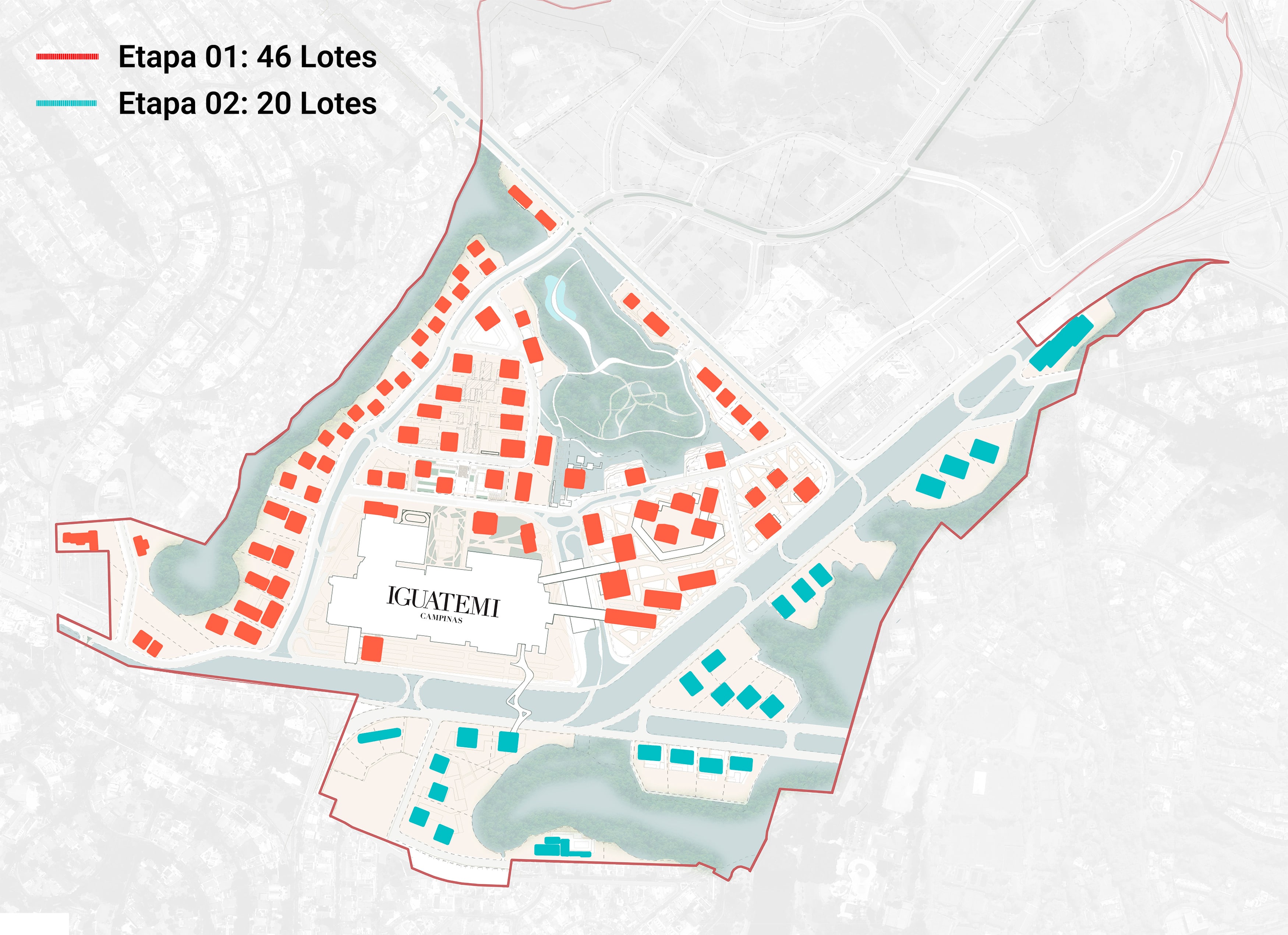
There are 303 thousand square meters of lots. Around 100 towers are planned, with a projected sales value (PSV) estimated at around BRL 10 billion.
Campinas will have a new planned neighborhood in an area surrounding Iguatemi Shopping Mall, in Vila Brandina. The group, which gives the shopping center its name, together with Fundação Feac, has a project to develop a neighborhood built 'from scratch' in the region that still has areas considered rural, occupying a plot of land measuring 1 million square meters, an area equivalent to the Vila Olímpia neighborhood, in São Paulo. Read more.
With the title “New Centralities: the future of cities”, the seminar is inspired by the urban model recently proposed by the city hall of Paris, known as “The 15-minute City”. The idea is to offer a city in which it is possible to live, work, take care of your health, shop and have fun within such a short distance that it takes around 15 minutes to cross it – not two hours like in São Paulo. Read more. Leia mais.
Arq. Futuro, the future of cities, which arranges courses and projects. With the “New Centralities” seminar, Echeverri highlights mobility as one of the central topics of the debate. In Medellín, transport systems, including cable cars, were created using the available infrastructure, which resulted in safe routes for residents, especially younger people. The question, says the architect, “is how we generate a sustainable city, in which an 8-year-old child, from any social class, can walk freely and without fear.” Leia mais.
The concept of a new city should be the ability to coexist with the planet. This largely depends on public policy. It cannot rely on development plans or, as we say in English, on the “future perfect”. The decisive thing is to implement possible strategies to achieve different solutions for the future and that enable quick adaptations, in the face of changes in the situation. I know it is difficult in practice. Leia mais.